

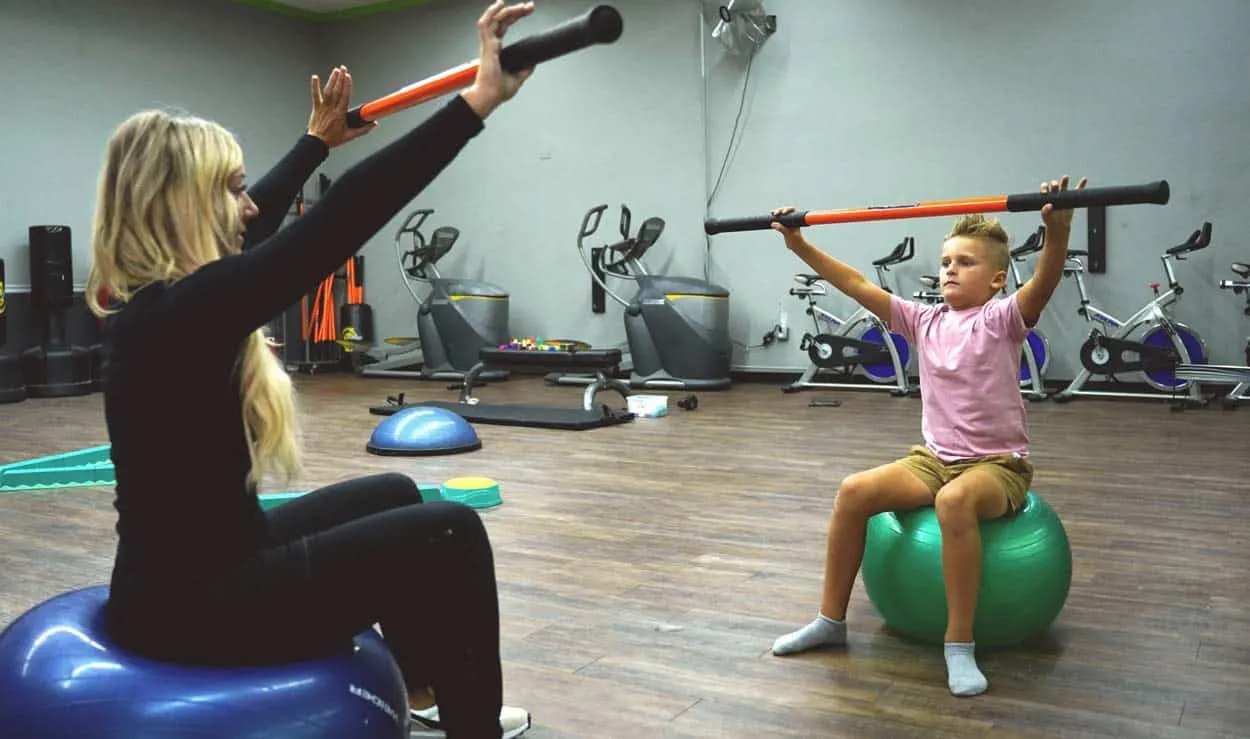
Intensive therapy clinics and models are popping up all over the world. The intensive based approach is on the rise, therapists are utilizing evidenced based approaches at a higher intensity to create motor change with a child in a shorter period of time.
After extensive training in various intensive techniques and seeing the positive impact they had on the child’s motor and functional gains I became inspired to be able to provide intensive therapy to children with various diagnosis. It was in early 2024, I opened ReImagine OT in Largo, Florida.
The mission of ReImagine OT, is to focus on evidence-based neurological rehabilitation including Dynamic Movement Intervention (DMI), Neurodevelopmental Treatment (NDT), and neurological reeducation techniques at a high intensity to stimulate neuroplasticity in the brain to increase a child’s motor skills and improve their functional independence in everyday tasks.
Below, I will provide a brief overview of what intensive therapies can do for your child.
EVOLUTION OF INTENSIVE THERAPY
Traditionally intensive intervention was sought through an inpatient rehabilitation hospital post- acute stage injury, post-surgical, or post prolonged hospitalization. The child would receive 3 hours of therapy a day which resulted in motor and functional gains. At the end of the course of treatment, the child demonstrated visible and measurable motor, cognitive, and functional gains in daily living skills. When the patient met criteria for returning safely to the home environment, the parents/caregivers were trained, and the child continued their therapy at an outpatient therapy center.
Once entering and outpatient care center, the therapists would evaluate the child and recommend what intensity they felt the child needed in order to be beneficial to their progress. Intensity varied from 1-5 days, often reducing in frequency as the child progressed. Duration is variant based on various factors including the child’s progress, insurance limitations, and compliance with care.
After several months in outpatient therapy, a child would take a break and return in a few months, this was termed “episodic care” is the practice model we utilize in rehabilitation today. In the episodic care model, children receive a low intensity of therapy, usually 1-2 times a week for a short period of time, typically 8-12 weeks. Although we will see small gains, the child typically is left to carryover home programs, and goal attainment is not always fully achieved.
Children that are born with genetic or birth related conditions often enter therapy with this traditional “episodic” model of care as well as school-based services. Parents are becoming more aware of the benefit of intensives, however, are often left searching for therapists that provide this service and that are trained appropriately as well as providing their own funding.
Below, I will explore what intensive therapy is, what techniques and tools that your child will receive in and intensive therapy course, and how to go about finding the right intensive program for your child.
WHAT WILL INTENSIVE THERAPY LOOK LIKE
There are various approaches to intensive treatment, but most clinicians and clinics will see the child anywhere from 2-4 hours a day for 2-4 weeks. Typical models of intensive therapy that you are seeing in intensives are Neuro-developmental Treatment (NDT) and Dynamic Movement Intervention (DMI).
NDT and DMI are both giving hope and increasing motor gains in children across the world. Both interventions utilize evidenced-based approaches and science to promote optimal motor function and functional gains in your child.
Listed below are the two popular methods that are utilized in high intensity therapy currently but not in isolation. There are several other skilled based interventions that are utilized in conjunction with these techniques that I will address on a later blog post.
DYNAMIC MOVEMENT INTERVENTION (DMI)
Dynamic movement intervention is a technique that challenges a child’s motor and sensory motor systems by stimulation of neuroplasticity. It is a series of exercises that a trained therapist will work your child through to enhance their ability to perform motor tasks and develop strength to do so. The exercises work your child through various developmental movement patterns and motor tasks, working them against gravity. DMI is performed in an intense model to enhance outcomes and allows the repetition the brain needs to optimize enhance motor function.
DMI works on:
- Gross motor skills
- Alignment and postural control
- Range of motion
- Balance
- Somatosensory development
- Modifying tone, primitive reflexes, and abnormal patterns of movement
- Global development
SESSIONS ARE COMPLETED IN 2-4 HOURS/DAY AND SESSIONS ARE 1-2 WEEKS IN LENGTH, OPTIMAL SUGGESTION IS TO COMPLETE FOR 2 WEEKS IN DURATION.
NEURO-DEVELOPMENTAL TREATMENT (NDT)
Neuro-Developmental Treatment (NDT) is a clinical practice model that uses therapeutic handling techniques to facilitate proper motor acquisition and provides sensory and motor challenges, muscle facilitation and inhibition, and intense repetition with focus on functional movement patterns to increase increased motor skills acquisition in a patient with neurological deficits. NDT requires extensive training for certification and involves intense evaluation of the child’s motor function, and barriers and strengths which allows the therapist to develop therapeutic intervention and intense handling techniques to facilitate proper muscle activation and development for carryover in the functional movement the patient is trying to achieve. It is meant to be completed at a high intensity model for optimal improvement and development of motor tasks.
NDT works on:
- Global development
- Strength and muscle control
- Range of motion
- Balance
- Primitive reflex integration
- Fluidity with motor movement
- Gross and fine motor skills
- Alignment
- Somatosensory development
NDT is optimal at a high intensity model; it is essential to make sure your therapist has received their certification in this method. Most therapists have a level of knowledge and handling skills when it comes to the NDT approach, however, being certified will ensure your therapist is highly competent in this technique.
WHERE TO GO AND HOW TO SEEK OUT INTENSIVE THERAPY SERVICES:
I would suggest that you look on the websites to make sure your clinician is certified in NDT or registered as a practitioner for DMI. I also suggest that you look for a therapist that has the skills that are beneficial to make the most improvement with your child. As therapists, we all have different tools in our toolbox and our experience, skill level, and thought process can be variant.
As more and more parents are seeking intensive based treatment, there is still a lack of highly trained therapists that specialize in various methods that truly will have the most impact on your child’s gains. When looking for a therapist, I encourage you to ask questions, and research which approaches will be best for your child. In an intensive based model of care, children often receive anywhere from 2-4 hours of therapy a day in a 2–3-week period. Although intense, the child leaves with increased motor control, strength, range of motion, and functional gains and the parents leave with a sense of empowerment, knowledge, and peace of mind that their child can reach.
WHERE DO I FIND A CLINIC OR THERAPIST
There are limited rehabilitation hospitals that provide intensive therapy services at this time. There are a few brick-and-mortar clinics popping up around the country, but they are limited, causing a lot of families to travel to obtain services. Private practitioners are also at times traveling to a host city or to local homes to complete intensive therapy.
BARRIERS TO OBTAINING INTENSIVE SERVICES CURRENTLY
Cost is a huge barrier for many families. Intensive therapy pricing is based on the cost of an evaluation, hours of therapy provided during the day (the more hours worked, the higher the cost) receive the services they need due to the shortage of intensive clinics and trained therapists.
FUNDING INTENSIVE BASED THERAPY
Many therapists who provide intensive therapy services will create a superbill for the caregivers to bring or submit to their insurance provider. It is highly suggested to contact the provider first so you are aware of whether they will fund or partially fund the intensive therapy course.
Other Caregivers will often set-up fundraisers, investigate non-profit organizations, or host with other families in their hometown to offset some costs.
Based on my experience over the past 16 years, intensity therapy is the best model of care for children with any neurological impairment to work at focused goals, getting faster gains in a shorter period of time and the basis for why I opened ReImagine OT LLC.
If interested in intensive therapy, please fill out the below form and we will be in contact with you on how to proceed with services.